

Understanding Horse Racing Odds Comparison: A Comprehensive Guide
In the world of horse racing, Horse Racing Odds Comparison horse racing odds comparison plays a crucial role in helping bettors make informed decisions. It’s essential to grasp how odds are calculated, what they mean, and how they fluctuate to enhance your betting strategy. This article will delve into the complexities of horse racing odds and the importance of comparing them across various platforms.
What are Horse Racing Odds?
Horse racing odds are numerical representations of the likelihood of a horse winning a race. These odds are determined based on a multitude of factors, including the horse’s past performance, the jockey’s skill level, and the conditions of the race. In essence, odds denote how much money you can potentially win if you place a bet on a particular horse.
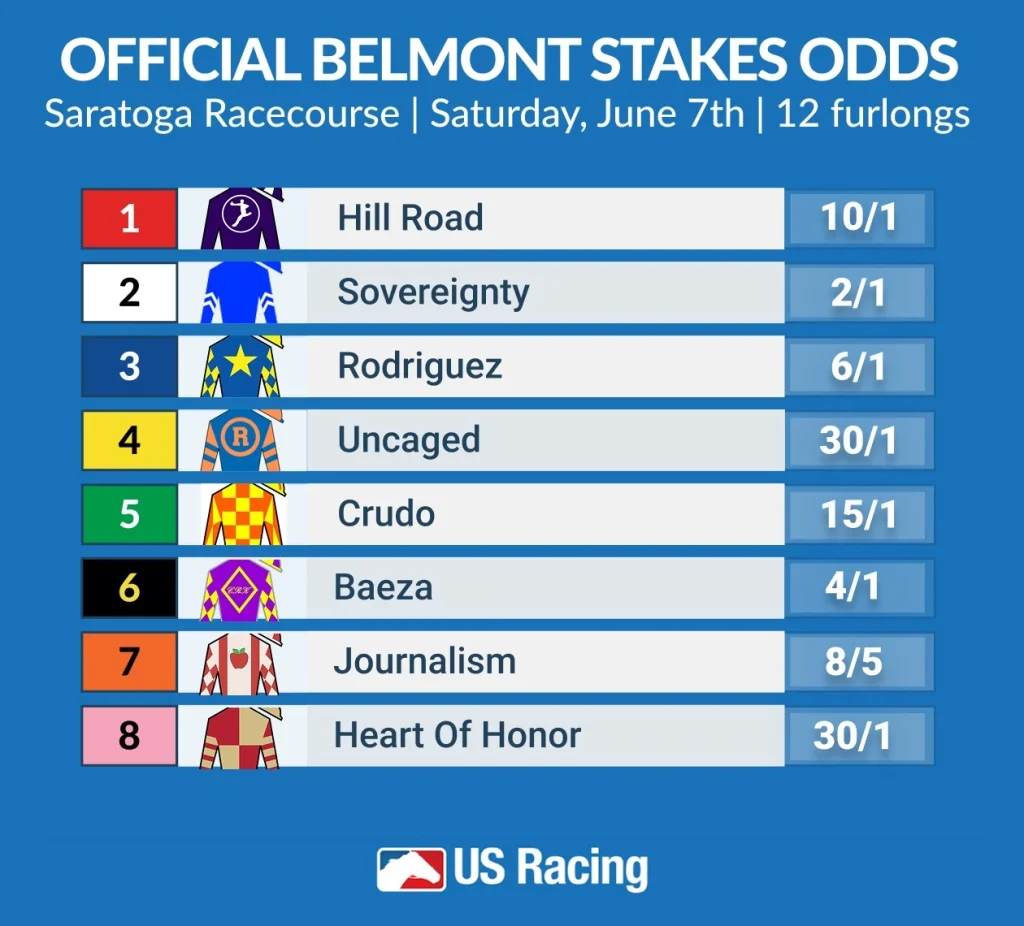
Odds can be presented in three different formats: fractional, decimal, and moneyline. For instance, a horse with odds of 5/1 (fractional) means that for every $1 wagered, you stand to win $5, plus your original stake back. Similarly, decimal odds of 6.00 indicate that you would receive $6 for every $1 bet, and moneyline odds of +500 signify a potential profit of $500 on a $100 wager.
Why Compare Odds?
Comparing odds is crucial for any serious bettor. Different bookmakers offer varying odds for the same race, and finding the best odds can significantly influence your potential profit margins. Even slight differences in odds can lead to substantial changes in returns, particularly in larger bets.
1. Maximizing Potential Returns
One of the primary reasons for comparing odds is to maximize potential returns. If you’re planning to bet on a horse with 5/1 odds, but one bookmaker offers 6/1, placing your bet with that bookmaker will yield a higher profit. Over time, consistently seeking the best odds can lead to a substantial increase in your overall earnings.
2. Enhanced Betting Strategies
Having access to comparative odds allows bettors to refine their betting strategies. For example, if you notice that a specific horse’s odds are consistently higher on one platform, you might decide to allocate a more substantial portion of your betting budget to that bookmaker. This strategy is particularly effective in races with high volatility, where odds can change rapidly.
3. Understanding Market Movement
Odds are not static; they fluctuate based on betting patterns, expert opinions, and changes in horse performance. By comparing odds across various platforms, bettors can gain insights into market movements. If odds for a particular horse drop significantly, it may indicate strong backing from the betting community. Conversely, rising odds may suggest that a horse is viewed less favorably, prompting bettors to reevaluate their strategies.
How to Compare Horse Racing Odds
Comparing horse racing odds is a systematic process that requires research and sometimes the use of specialized tools. Follow these steps to effectively analyze odds:
1. Identify Reliable Sources
Start by identifying reliable bookmakers and platforms that offer horse racing odds. Major betting sites typically provide competitive odds, and checking multiple sources ensures you get the best deal.
2. Use Odds Comparison Tools
Many websites and applications specialize in odds comparison. These tools automatically gather and display the latest odds from various bookmakers, allowing you to make informed decisions quickly. Utilizing these tools can save time and provide a comprehensive view of available odds.
3. Analyze the Factors Influencing Odds
Consider different factors influencing the odds, such as weather conditions, horse form, and jockey performance. Understanding these aspects can help you make more educated wagers rather than relying solely on numerical representations.
4. Track Historical Data
Maintaining a record of past races and the odds offered can also be beneficial. Analyzing historical data helps identify trends over time, revealing which bookmakers consistently provide better odds for specific races or events.
Common Mistakes in Odds Comparison
While comparing odds is important, there are common pitfalls that bettors should avoid:
1. Focusing Solely on Favorite Horses
Many bettors tend to focus on favorites, assuming they have a better chance of winning. However, comparing odds for underdogs might reveal lucrative opportunities that could lead to higher payouts.
2. Ignoring Promotions
Bookmakers often offer promotions, bonuses, or enhanced odds for specific races or events. Failing to take these into account could mean missing out on potential wins. Read the fine print to ensure you understand any conditions tied to these offers.
3. Not Staying Updated
Odds can change rapidly due to various factors affecting a race. Not having the most up-to-date information can result in placing bets at unfavorable odds. Always check for the latest updates before confirming your wagers.
Conclusion
In the competitive world of horse racing, a clear understanding of odds and the nuances of odds comparison can significantly improve your betting journey. By taking the time to analyze different bookmakers, utilizing odds comparison tools, and staying informed about market movements, you can make well-informed decisions that enhance your chances of success. Whether you’re a seasoned bettor or new to horse racing, the traditional adage holds true: knowledge is power.