

Exploring Casinos Outside National Self-Exclusion: A Comprehensive Guide
In recent years, gambling has become an increasingly popular form of entertainment around the world. However, for individuals who struggle with gambling addiction, national self-exclusion programs have emerged as an important resource. But what happens when these individuals seek to visit casinos that exist outside these self-exclusion frameworks? This article delves into the complexities surrounding casinos outside national self-exclusion, their implications for those affected by gambling addiction, and responsible gaming practices to consider. For more information, you can visit casinos outside national self exclusion https://hecatos.eu/.
The Concept of National Self-Exclusion
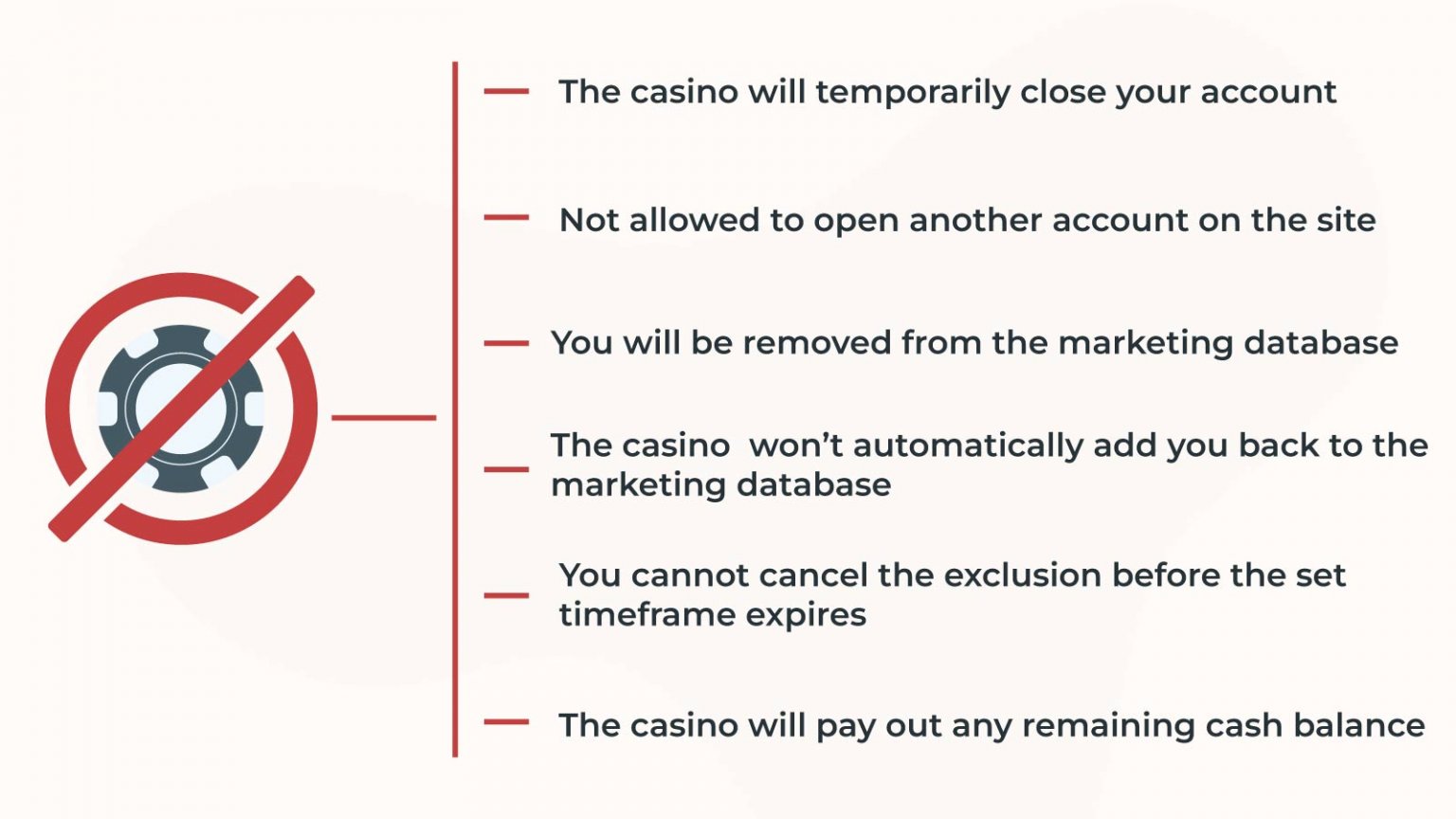
National self-exclusion programs are designed to help individuals regain control over their gambling habits by allowing them to voluntarily exclude themselves from all licensed gambling venues within a specific jurisdiction. These programs vary by country and often include online gambling platforms as well. The objective is to create a safe space for individuals struggling with problem gambling, enabling them to take a step back from the activity.
In the UK, for instance, the GamStop program allows players to self-exclude from all online casinos and betting platforms for a period of six months to five years. Similar programs exist in other countries, highlighting a significant step towards promoting responsible gambling.
Casinos Outside National Self-Exclusion
While self-exclusion programs are effective within their boundaries, they can create concerns for self-excluded individuals who might encounter casinos not bound by the same regulations. These establishments may be located in different jurisdictions or operate without adhering to national self-exclusion provisions, raising a vital question: What do such casinos mean for individuals seeking to stay away from gambling?
One of the most significant issues is accessibility. Excluded individuals might be tempted to visit these casinos, especially if they are located near their home or travel frequently across borders. The lack of regulatory oversight in these scenarios can lead to a significant relapse for individuals working hard to maintain control of their gambling habits.
Psychological Implications
From a psychological standpoint, being self-excluded does not entirely eliminate cravings or the urge to gamble. The moment an individual steps into a casino outside their self-exclusion parameters, they may find themselves in an environment designed to stimulate these desires. The sounds of slots, the atmosphere of excitement, and the social interactions can all contribute to weakened resolve.
Moreover, the feelings of guilt or shame associated with breaking one’s self-exclusion can further exacerbate emotional distress. This can create a vicious cycle, leading individuals deeper into compulsive behaviors.
Responsible Gaming Practices
Understanding the risks associated with casinos outside national self-exclusion is crucial, yet it is equally important to promote responsible gaming practices regardless of the location. Here are some strategies individuals can employ:
- Awareness: Stay informed about the gambling environment. Understand the local regulations and the support systems available in the area.
- Accountability: Engage friends or family members in discussing your gambling habits and encourage them to hold you accountable. This adds a layer of support in moments of temptation.
- Setting Limits: If you choose to gamble, establish strict limits beforehand—be it time or money—and stick to them. This self-discipline can help prevent spiraling behaviors.
- Seek Support: Consider joining support groups or counseling programs dedicated to gambling addiction. Many organizations provide valuable resources and a sense of community for those in similar situations.
Legal and Regulatory Considerations
The legality of casinos operating outside national self-exclusion frameworks can vary significantly from one jurisdiction to another. Individuals must be aware of the legal standings in their area, including local laws related to gambling and enforcement mechanisms.
Some jurisdictions may not have robust mechanisms to handle exclusionary practices, leading to an increase in unregulated and potentially harmful gambling environments. Therefore, research and caution are paramount when considering visiting casinos outside national self-exclusion.
The Role of Online Casinos
With the advent of the internet, online casinos present another layer of complexity. Many online platforms are governed by their own sets of rules and regulations, and while some adhere to national self-exclusion programs, others do not. This discrepancy can create confusion for individuals attempting to remain in control of their gambling practices.
For instance, while one may be self-excluded from all UK online casinos via GamStop, they may find access to casinos registered in other countries that do not adhere to such guidelines. The ease of access can be extremely tempting and challenging for those who are currently in a recovery phase.
Conclusion
Casinos outside national self-exclusion pose significant challenges and risks for individuals struggling with gambling addiction. While these establishments can offer gambling experiences in an accessible manner, they can also jeopardize the hard work and commitment individuals have made toward their recovery.
Promoting awareness, responsibility, and healthy gambling practices is essential. While exploring gambling options, always remember to prioritize your mental health and well-being. Engaging in informed decision-making and seeking supportive communities can help navigate the often-turbulent waters of gambling while safeguarding oneself against potential pitfalls.