
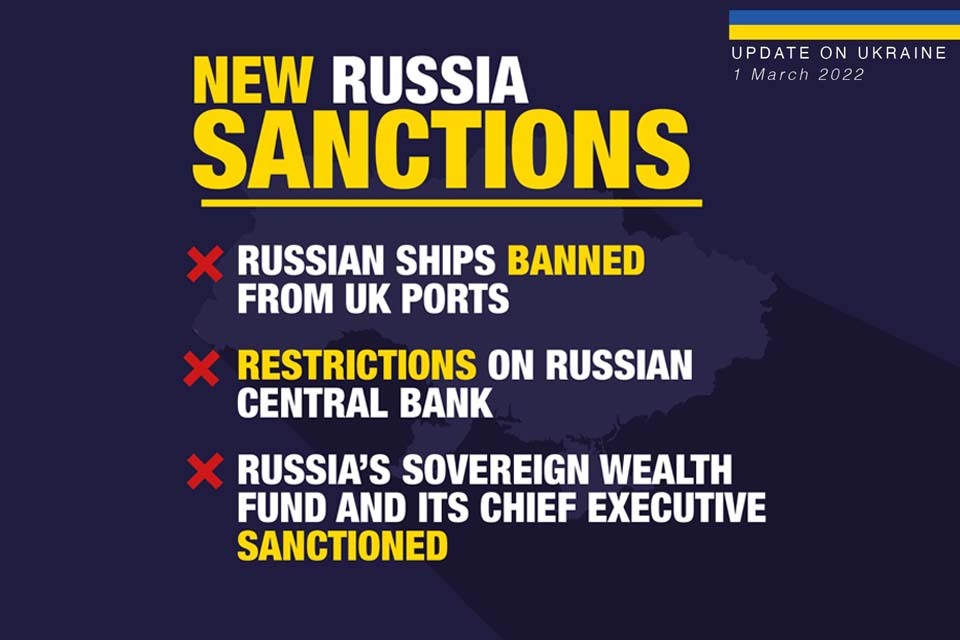
Understanding EU Sanctions and Legal Defense Strategies
The European Union (EU) has enacted a range of sanctions that can significantly impact individuals and businesses. Understanding the legal framework governing these sanctions is essential for effective compliance and defense. In this context, seeking professional help from experts in EU Sanctions Legal Defense becomes critical for navigating complex regulatory environments.
1. What are EU Sanctions?
EU sanctions are restrictive measures imposed by the European Union to encourage compliance with international law and to promote peace and security. These sanctions can target countries, organizations, or individuals, and often include a wide range of economic restrictions, trade embargoes, travel bans, and asset freezes.
1.1 Types of EU Sanctions
Sanctions can be categorized into two main types: restrictive measures and embargoes. Restrictive measures may include sanctions against specific sectors, such as finance, energy, or arms, while embargoes usually entail broader prohibitions on trade with the targeted entity or country.
1.2 Legal Basis for EU Sanctions
The legal basis for imposing sanctions in the EU can be found in the Treaty on the Functioning of the European Union (TFEU), particularly in Article 215, which empowers the EU to adopt restrictive measures. These sanctions are often implemented through various Council Regulations and Decisions that provide specific details regarding the scope and application of each sanction.
2. Implications of EU Sanctions
The implications of EU sanctions can be profound and far-reaching. Individuals and entities subject to these sanctions may experience significant financial losses, reputational damage, and operational disruptions. For businesses, non-compliance with sanction regulations can lead to severe penalties, including fines and restrictions on future business activities.
2.1 Impact on Individuals
For individuals, being targeted by EU sanctions means facing travel bans, asset freezes, and restrictions on day-to-day activities. The psychological toll of being under sanctions can also be considerable, affecting mental health and personal relationships. There are mechanisms available for individuals to appeal or challenge these sanctions, but doing so requires a deep understanding of legal processes.
2.2 Impact on Businesses
Businesses dealing with EU sanctions must implement rigorous compliance programs to avoid being caught in breach of these laws. This may include conducting thorough due diligence on clients and business partners, ensuring that their operations do not inadvertently support sanctioned entities or countries. Failure to comply with sanctions can result in substantial fines and loss of market access.
3. Legal Defense Against EU Sanctions
Legal defense strategies against EU sanctions can vary significantly depending on the specifics of each case. Engaging a legal expert familiar with EU regulations and sanctions is vital to developing effective defense strategies.
3.1 Grounds for Challenging Sanctions
There are several grounds under which an individual or entity may challenge EU sanctions. Common grounds include:
- Violation of Fundamental Rights: Individuals can argue that sanctions infringe upon fundamental rights guaranteed by the EU Charter of Fundamental Rights, such as the right to a fair trial, respect for private and family life, and the right to property.
- Inaccurate or Insufficient Evidence: A challenge can be based on the argument that the evidence used to impose the sanctions was inaccurate or insufficient, thus failing to meet the required legal standards.
- Procedural Irregularities: Parties may claim that the imposition of sanctions violated established procedural rules, leading to unjust penalties.
3.2 The Role of Legal Counsel
Legal counsel plays a crucial role in navigating the complexities of EU sanctions. An experienced attorney can help identify potential avenues for appeal, gather evidence supporting the case, and represent the individual or entity in legal proceedings. Moreover, legal experts can assist in establishing compliance measures to protect against future sanctions.
4. Strategies for Compliance
Given the complexities surrounding EU sanctions, businesses and individuals can adopt several strategies to ensure they remain compliant with the regulations:
4.1 Conducting Compliance Audits
Regular compliance audits can help identify potential vulnerabilities within an organization. These audits should assess relationships with third parties, financial transactions, and supply chain operations to ensure they do not involve sanctioned entities or jurisdictions.
4.2 Training and Awareness Programs
Implementing training programs for employees focused on EU sanctions can raise awareness and encourage compliance throughout the organization. Employees should understand the potential risks and the specific responsibilities they hold in maintaining compliance.
5. Future Trends in EU Sanctions
The landscape of EU sanctions is continuously evolving, influenced by geopolitical developments and international relations. Emerging trends indicate a substantial increase in the use of targeted sanctions—those aimed specifically at individuals or entities—rather than broad country-wide sanctions. As such, it is essential for businesses and individuals to remain attuned to changes in regulations and adapt accordingly.
5.1 Digital Currencies and Sanctions
As digital currencies gain popularity, the EU has begun to address the implications of cryptocurrency transactions concerning sanctions. Regulators are likely to impose more stringent requirements to prevent the circumvention of sanctions through digital means. Staying informed about these emerging trends will be crucial for compliance.
Conclusion
Understanding EU sanctions and the associated legal defenses is critical for individuals and businesses operating within or interacting with the European Union. Navigating this multifaceted area requires a comprehensive awareness of the legal landscape and strong compliance measures. Whether facing sanctions directly or seeking to avoid them, engaging legal experts proficient in EU Sanctions Legal Defense can provide invaluable support in developing effective strategies for compliance and legal recourse.