
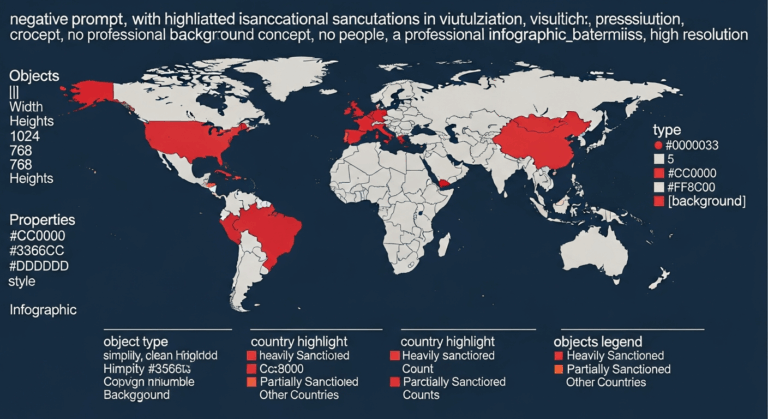
In today’s interconnected world, businesses and individuals must navigate a complex web of regulations, especially when it comes to international trade and financial transactions. Among these regulations, the Office of Foreign Assets Control (OFAC) sanctions hold significant weight. Understanding how to defend against OFAC sanctions is crucial, especially when the repercussions of non-compliance can result in substantial fines, loss of business opportunities, and damage to reputation. For expert legal guidance, consider consulting a OFAC Sanctions Defense Sanction Lawyer.
What Are OFAC Sanctions?
OFAC, part of the U.S. Department of the Treasury, administers and enforces economic and trade sanctions based on U.S. foreign policy and national security goals. These sanctions can target countries, regimes, individuals, and entities involved in various activities deemed threatening to the U.S. or its interests, including terrorism, narcotics trafficking, and the proliferation of weapons of mass destruction.
Types of OFAC Sanctions
OFAC sanctions can be broadly categorized into two types: comprehensive sanctions and targeted sanctions. Comprehensive sanctions prohibit all trade and financial transactions with a particular country, while targeted sanctions, also known as selective sanctions, specifically focus on individuals or entities, freezing their assets and restricting their ability to engage in financial transactions.
The Importance of Compliance
Compliance with OFAC sanctions is essential for any individual or business engaged in international activities. Non-compliance can lead to severe penalties, including fines that can reach millions of dollars. Additionally, violations can result in reputational harm and restrictions on future dealings with financial institutions.
Defending Against OFAC Sanctions
Given the potential risks associated with OFAC sanctions, understanding how to structure a defense against them becomes critical. Here are several strategies that can be employed:

1. Conduct Thorough Due Diligence
Before engaging in any transaction, it is vital to conduct comprehensive due diligence on the parties involved. This includes checking against the OFAC Specially Designated Nationals and Blocked Persons (SDN) List and ensuring that neither the individuals nor the entities involved are subject to sanctions.
2. Implement Compliance Programs
A robust compliance program is essential for mitigating risks associated with OFAC sanctions. Businesses should develop policies and procedures that not only ensure adherence to U.S. regulations but also promote a culture of compliance within the organization.
3. Seek Legal Expertise
Engaging a legal professional with expertise in OFAC sanctions can provide invaluable support. A Sanction Lawyer can guide businesses through the compliance process, help interpret regulations, and assist in building an effective defense strategy if sanctions are imposed.
Understanding Enforcement Actions
OFAC enforcement actions can take various forms, including the imposition of fines, enforcement settlements, and even criminal prosecutions. Understanding the nature of these enforcement actions and the criteria that OFAC uses to assess violations can help individuals and businesses prepare effective defenses.
Mitigating Risks
One of the best defenses against OFAC sanctions is proactive risk management. This includes:
- Regularly training staff on compliance requirements.
- Utilizing technology to monitor and analyze transactions for compliance.
- Maintaining clear records of all due diligence efforts and compliance measures undertaken.
The Role of Technology in Compliance
In the current digital age, technology plays a significant role in enhancing OFAC compliance. Advanced software solutions can automate the process of screening transactions and individuals

against the OFAC list, thus reducing the likelihood of human error. Staying updated with the latest technological advancements can significantly strengthen a compliance program.
Responding to an OFAC Inquiry
If a business receives an inquiry from OFAC, it is crucial to respond promptly and thoroughly. Engaging legal counsel at this stage is critical for ensuring that the response is appropriate and that the rights of the business are protected. Legal experts can help draft responses, gather necessary documentation, and develop a comprehensive strategy for addressing the inquiry.
Conclusion
In conclusion, OFAC sanctions represent a critical area of concern for individuals and businesses engaged in international trade and commerce. Understanding the nature of these sanctions and the implications of non-compliance is essential for mitigating risks. By implementing effective compliance programs, conducting thorough due diligence, and engaging the expertise of a Sanction Lawyer, businesses can develop robust defenses against OFAC sanctions and ensure compliance in an increasingly complex regulatory environment.